Design and operation are separately credited roles throughout live entertainment — a lighting designer isn’t the crew running the board. Aerial spectacle is no different: the fleets that fly drone shows are excellent at operating them, and a design specialist makes the show itself better. That’s the role Sitara Skies holds.
What we bring to it is unusual: our choreography practice comes out of autonomy — designing how hundreds of independent craft behave, respond, and read as one composition — not out of adapting 2D motion graphics to the sky. A show designed in volume, for the volume, looks different. Audiences can’t say why; they just remember it.
What design includes
- Spatial composition in volume — choreography built for three dimensions, not a 2D storyboard lifted into the air
- Behavior and autonomy design — how individual craft respond to each other and to the show, not just fixed waypoints
- Digital-twin previsualization — see the show, from the audience’s seats, before a single craft leaves the ground
- Flight-program deliverables in partner-ingestible formats — built to hand off cleanly to the operator running the fleet, per the Show-File Compatibility Matrix
How an engagement runs
- Brief. Your show, your venue or site, your music and moments — and the fleet it will fly on, whether that’s your operator, ours, or one we bring in.
- Previz. The show takes shape in a digital twin first. You review it from the audience’s perspective and iterate in software — where changes cost hours, not flight days.
- Flight programs. Approved choreography is delivered as flight programs in the format the operating fleet ingests, with the show structured for their safety and abort procedures.
- Rehearsal & show support. We support technical rehearsals and opening — and hand over a show the operator can run without us, or with us, as the engagement calls for.
Why a design specialist
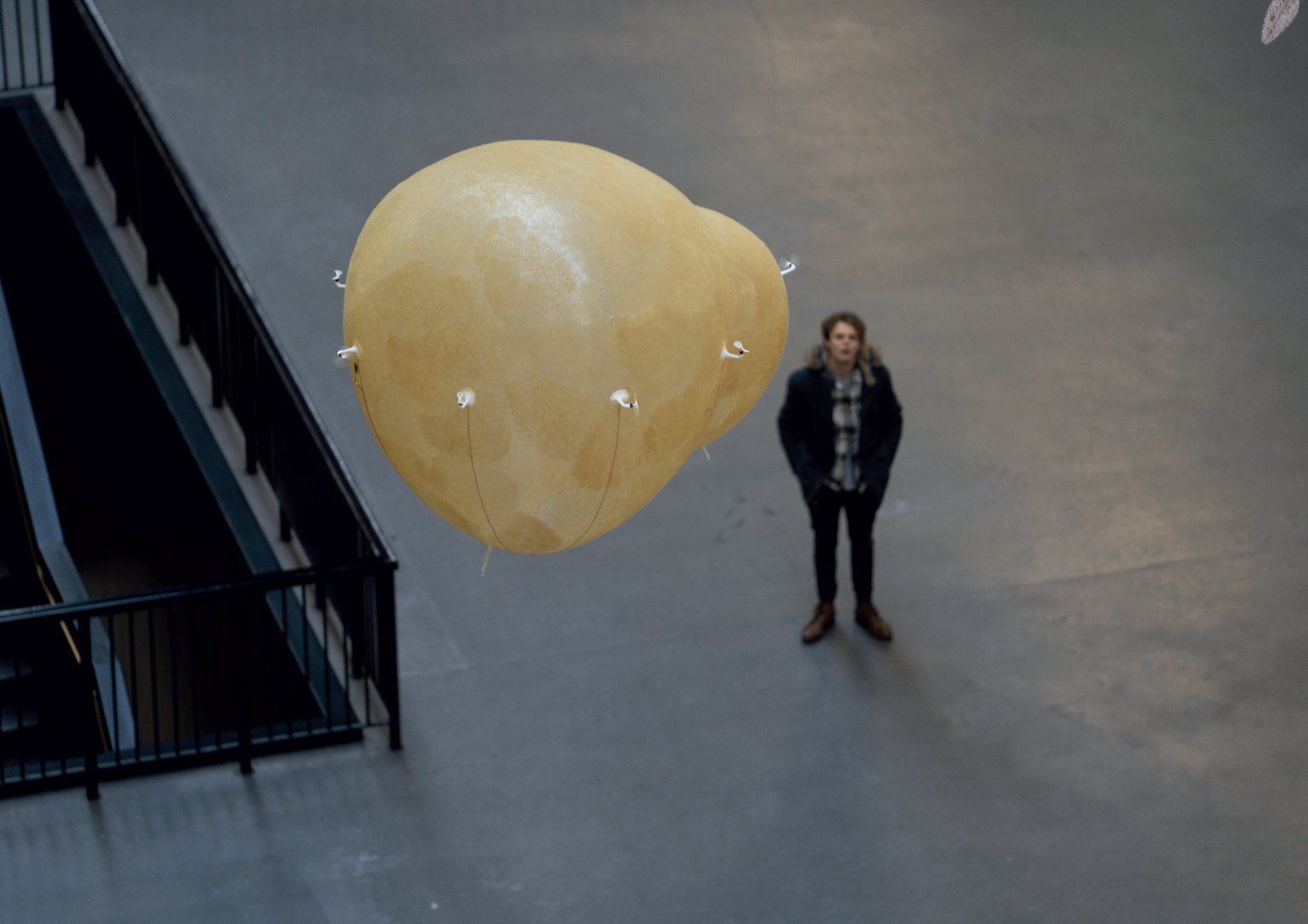
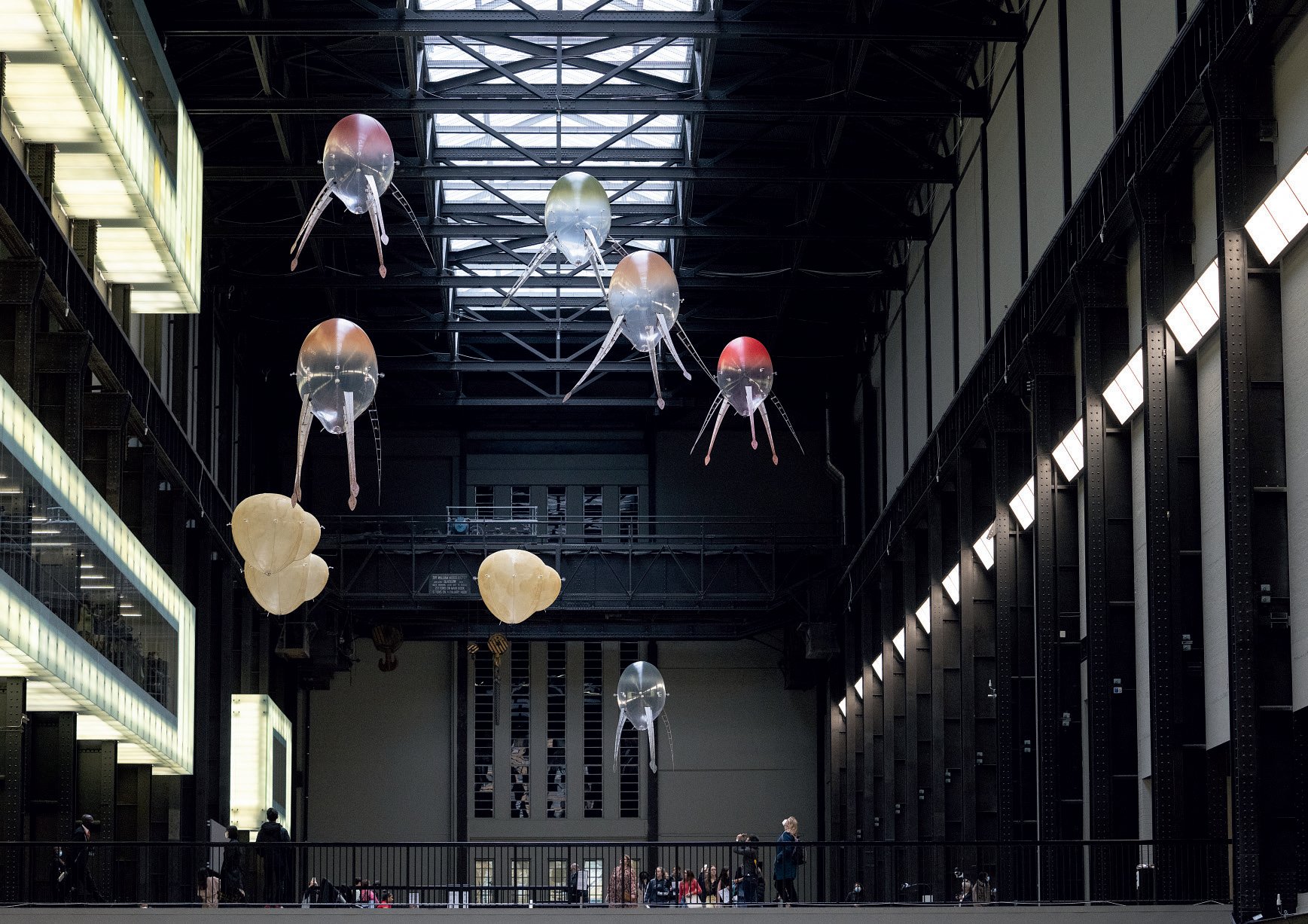
The autonomy behind our design work was proven in public first — at Tate Modern’s Turbine Hall, a fleet of helium-assisted aerial creatures flew emergent, autonomous 3D choreography among visitors for four months of continuous flight, with the methods published as a peer-reviewed SIGGRAPH 2022 art paper. Tate Modern — In Love With The World → · An Aquarium of Machines (SIGGRAPH 2022) →
How we work with operators
Fleet operators are our partners, not our competition — and often our clients. If you run a fleet, we design under your banner or ours, your call: a design subcontract your client never needs to see, or a credited collaboration. If you’re a producer, bring us your show and we’ll pair the design with an established operating partner. Either way the credit convention is simple: Aerial Show Design: Sitara Skies.
Do you fly the show?
Outdoors, no — an established fleet operator flies it, and the design is built for their system and safety procedures. Indoors is a different story: we design and operate there — see Operated Aerial Effects.
Can you design for the fleet and software we already use?
That’s the point of the deliverable format: flight programs are handed off in the form your fleet software ingests. Tell us what you fly and we’ll design for it.
What do we actually receive?
Previz renders for approvals, the flight programs themselves, show documentation structured around your run of show, and rehearsal support through opening.
What does design cost?
Quoted per project — scope depends on show length, fleet size, and how much of the creative is developed versus adapted. Tell us about the show and we’ll scope it.